We are using FreeBSD in a Hydroponic Nutrient Control System. (pics)

Got sent to a prospective client's company in Seattle. I had no idea where I was going or whose company it was. I was there to make sure the working conditions would be suitable for our employees, since it's considered an industrial site with hazardous chemicals.

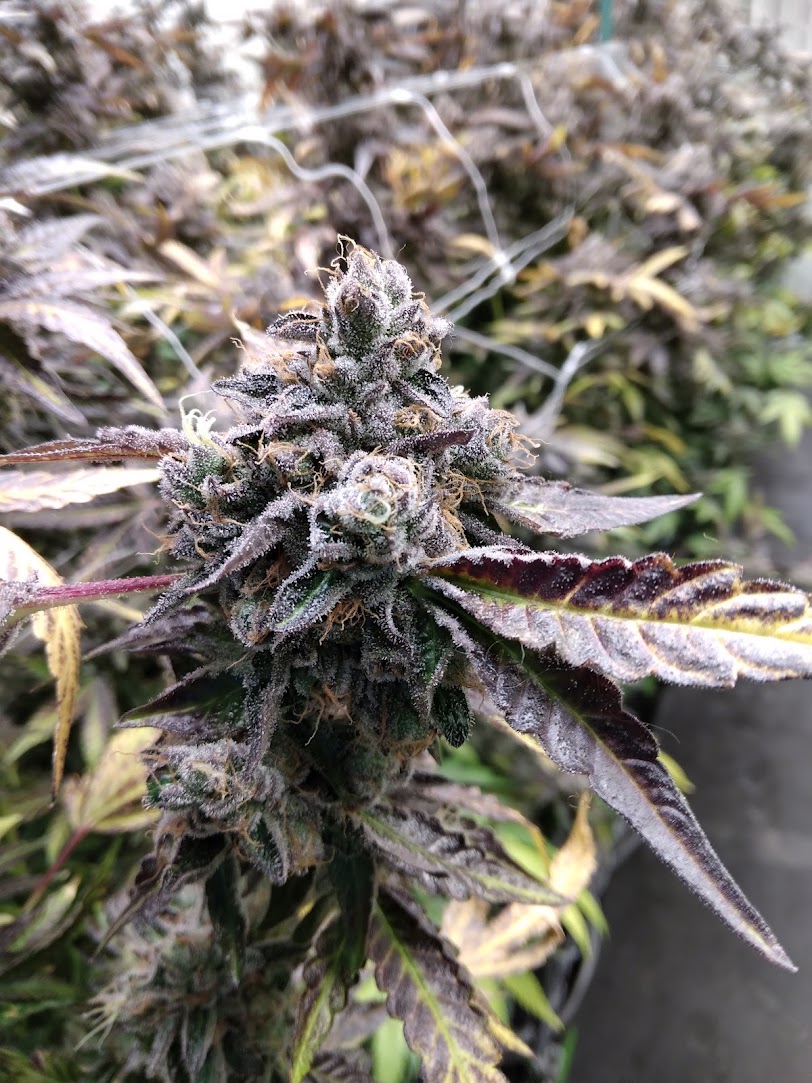
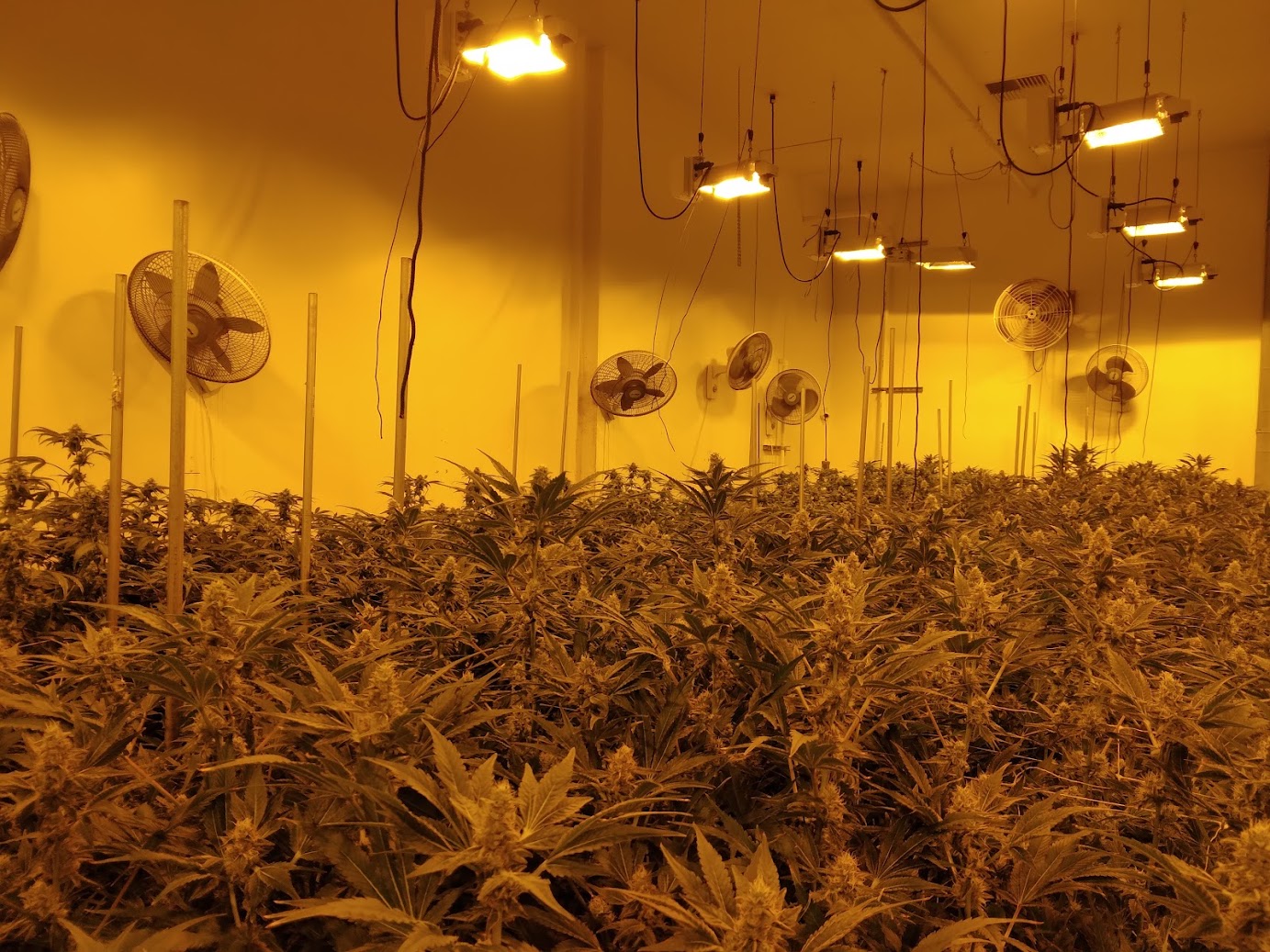
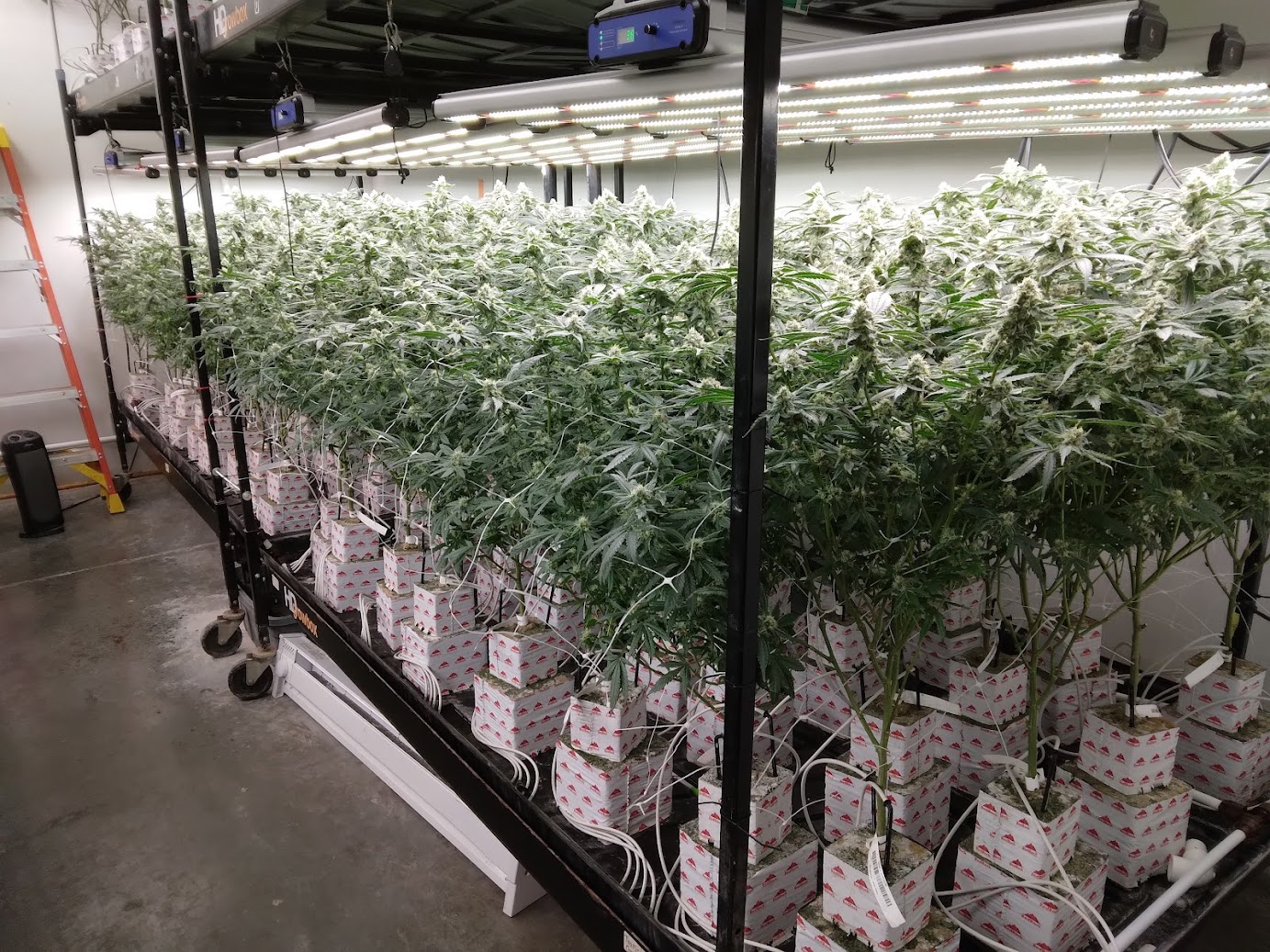
Needless to say, it turned out to be a famous rapper's cannabis business. He wanted to develop his own hydroponics control system for his grow operation, basically for bragging rights with his other famous rapper friends who also have cannabis businesses.The first pic is me sending a selfie to my boss with the message, "Are you kidding me!!!" She laughed at me and told me not to fuck it up and to make a good impression.The second picture is me high as a kite, being the good employee that I am. 😂 He wanted something nobody else had, and I was like, "Well, we could develop it on FreeBSD." He liked the daemon. 😂
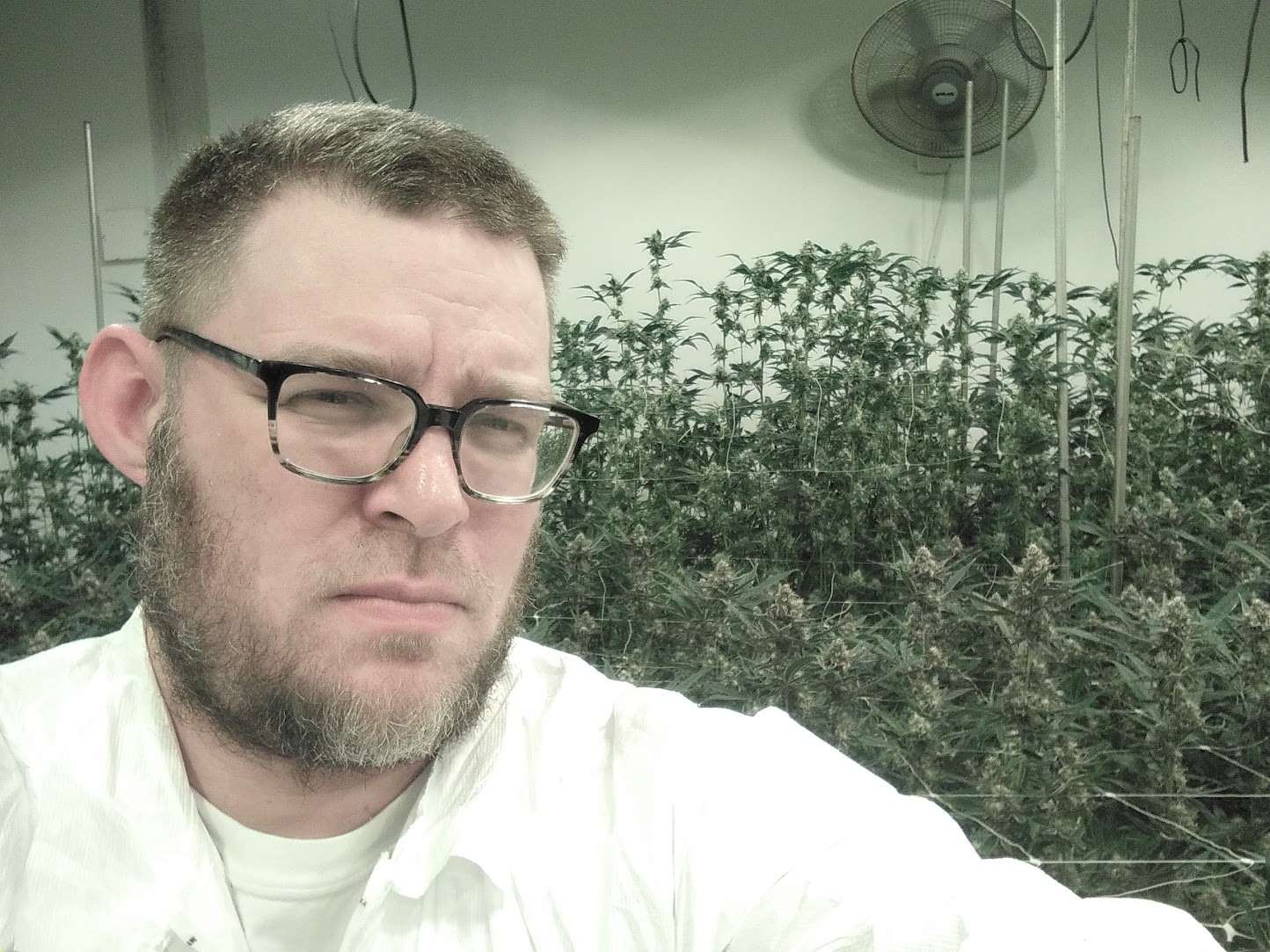
20211223_160317.jpg
20211008_171636.jpg
20211119_142713.jpg
20211223_160302.jpg
20211130_124251.jpg
 
Well, you can make a freebsd central control hub, and then have a distributed network of raspberry-pi's with the sensors and actuators attached. Design a web gui that shows you the state of each control node, temperature, soil humidity, water flow rate, etc.; an embedded web server on each control node. You want to be able to monitor the entire network and change things like flow rates at each control node, from one desk, so you only need one guy (or maybe an AI agent) controlling the whole thing. Perhaps also need to monitor things like soil ph, level of fertiliser, oh... and light level, you probably want to control the light flux falling on each area to optimise power consumption and growth rate. Then there is ventilation control, fans... it could be quite sophisticated. I wonder too if there is scope for roaming drones or wheeled robots to patrol the setup, perhaps to take measurements or for monitoring, or security. A possible alternative to rPi's is fanless industrial mini-pc's with usb-attached instruments. You could run freebsd on every node in the system, of course, including the pi's.

Once you've prototyped it in that setting, it might well have wide applicability to agriculture. It's really big business, I remember reading about these 'vertical farms' in china, very impressive, multi-storey hydro-farms, I expect the US is doing something similar. So use the rapper's dollars to develop a good solution, publish a couple of papers on it, file a few patents, then market it to the wider agribusiness market. I'm sure there are other firms in that space. It's a control system to solve an optimisation problem, with the goal of maximising production yield while minimising inputs like water, power, human labour and chems. Quality of the product must come into it too. I bet big tobacco and big greenhouse are looking at this kind of thing.

Ha... can you use AI to optimise the grow yield and running costs. Another thing to investigate. Could be a very interesting project.

View: https://www.youtube.com/watch?v=6fxjJMJrYMc
 
I just thought, there may be a space tie-in with this too. If Elon gets his stuff together, there will be a manned moon base up there soon, running off frozen water from crater bottoms, perhaps built in lava tubes or similar. A hydro production system that works in that environment could be worth a lot of money. It's definitely got scope. :-)
 
And there's one other thing. Being a rapper, your man will know all about the importance of playing music to plants. So you can make a freebsd-based audio system using mpd to play piped music to the plants, with speakers distributed around the greenhouse. It doesn't have to be rap... in fact I seem to remember reading in "the secret life of plants" that they like classical, like Motzart, but I guess you could humour your guy when he shows up and put some of his sounds on, just while he's there. This is not complete baloney, there is some genuine research behind it.

So a nice freebsd-based audio system is another part of the plan. I reckon he's going to like that one.
 
Anything about the implementation? Guess you control a hardware. How?
I’m not exactly sure on all the details. My job was just to go in and assess for safety. But their current setup uses serial device servers that connect to sensors via RS-485 and communicate using Modbus over the LAN. They are Wi-Fi capable, but the building has a ton of electrical interference, probably because they have around 60 central air units in the ceiling. The sheer amount of electrical current this building is using is scary. They also use peristaltic pumps and an old dosing meter that handles veg and bloom nutrients and pH. I think they also inject micronutrients because their water is hard and affects calcium uptake. That gets fed into a secondary mixing tank and then sent to the drip irrigation system.

We will likely co-develop the system with the customer and run a full grow cycle in one room, which I believe takes about three months from veg through flower. From there, we’ll slowly expand the system to the rest of the facility.

I personally will be advocating for just developing a cool web-based hub that displays the sensor feeds, because what he already has is clearly working. But ultimately, that decision isn’t really up to me.
 
Tell him about the music system, I reckon that's something he hasn't thought of. From that Harvard report I linked:-

"The researchers used a quiet room that was soundproof to grow the seeds. Six devotional songs were played over Sound Pressure Levels (SPL), 75±5 dB, 85±5 dB, and 95±5 decibels to 25 seeds. Some seeds enjoyed the music for one hour, others for two hours, and another for three hours daily. There was also a group that heard no music. The songs were played three times every day - in the morning, in the afternoon, and in the evening. Over twelve weeks, the seed growth was monitored. Over 12 weeks, the researchers continually measured seed growth.

The researchers measured the weight of mung bean seeds to determine crop yield changes. The study showed that crop yield increased by 131.35% and 159.46%. The study’s findings are significant because they reveal a straightforward, eco-friendly method to enhance plant growth."

TLDR: they more than doubled the crop yield, by playing music to the plants. :)

You can set up a freebsd box running mpd as a music server, and use a nice high quality DAC like this Wolfson WM8740, to feed an audio distribution system, and put some good quality loudspeakers in to play high fidelity music to the plants.
 
Interesting. Now retry with white noise, pink noise and trash metal (or maybe what the >80y.o.) listen to. Is it the sound waves or the music?
 
There's a summary of some research findings here, there have been research efforts on this going back decades. I remembered they got better results with soft instrumental, Moztart and Bach than they did with heavy rock. It makes me wonder if something like the lofi channels (eg, the lofi piano channel) would work well. Of course plants dont have nervous systems or brains like us, but they still appear to respond to music, they are able to sense their environment. They seem to like complex structured sound, rather than just various types of noise.
Of course this is still an area of research, and "ymmv", some skepticism is justified. But how much would it cost to put in an audio distribution system in a greenhouse and play Motzart to your plants three times a day? It's not going to break the bank, and it seems unlikely that it would do the plants any harm. Happy plants might produce a better quality crop, too. :-)

Something like this... a laptop, a distribution amp, and a few speakers dotted around, you could even do it with powered bluetooth PA speakers to avoid the cabling. Something like mpd and a few shell scripts, orchestrated by cron, would be an ideal platform to pipe music to the plants at set times and volume levels, much easier than making tapes up and using time switches to control tape players.
 
Back
Top