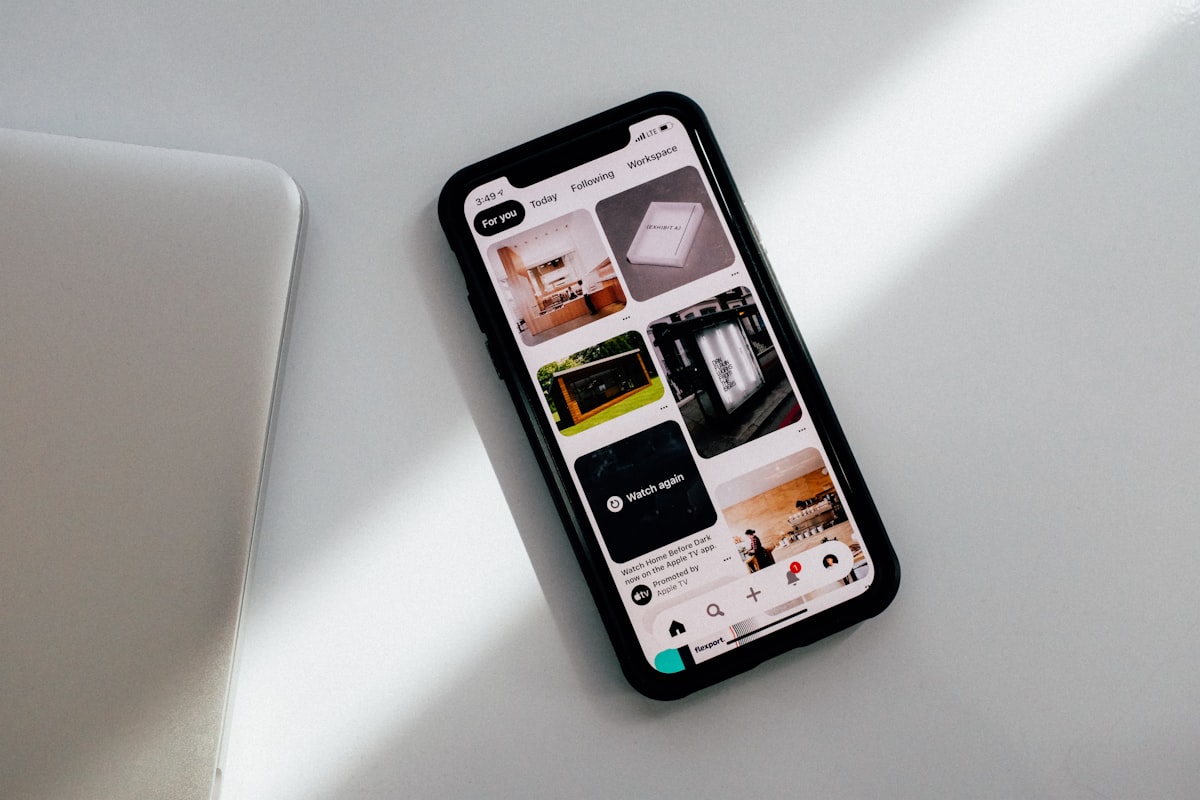
What can be done with a PC today, that could not be done 25 years ago?

Never heard it. The content of magazinne shareware/shovelware cdroms in the 90's in Europe was unspecified adlib.or primitive sampled soundblaster "stream" tech. Was GUS really superior? What did it do better? I think this whole PC audio branch was a decline of what already existed on 8-bit computers.
If I recall correctly, GUS started using a kind of "sound fonts", sampled audibles of musical instruments and so on, the earliest for internal sound cards (means, inside chassis of computers) of consumer grade PCs.
 
There are some things, but really not that much. Especially if you are not a gamer.
The typical desktop today probably has, at least, 10X the CPU power, 20X the RAM, and 1000X the disk space.
How many mandatory upgrades since then? Especially if you have been running MacOS or Windows.
If you had high speed internet 25 years ago, there is probably not that much more you can do.
Just an OT random thought.
Working with large spreadsheets or other CPU-intensive data.
Rendering/media processing.
 
IIRC GUS was much better than soundblaster -- cd quality audio, real instrument patches, hardware channel mixing (upto 32) etc.
I'm no audio expert. I think the deciding property was the ability to process and output sound data with the highest possibie density to get close to real sound. Both Soundblaster and GUS were from before the time that a compuuter at home was capable of that but the progress of computer tech did the job. We no longer needed a complex synth algorithm to demonstrate a violin. Just play the sound at a detail density beyond human hearing capabilties.
 
Working with large spreadsheets or other CPU-intensive data.
Rendering/media processing.
I did both back in 1990s.

My artistic skills frankly sucked (they still do), but I had access to Adobe Premiere and Photoshop and Blender back then on my school's computers.

And I worked with .dbf files, too - they amounted to very large spreadsheets with thousands of rows, easy. Excel was capable of displaying close to 64k rows even back then.
 
My artistic skills frankly sucked (they still do), but I had access to Adobe Premiere and Photoshop and Blender back then on my school's computers.
In high school I sometimes left study hall and went to a friend's multimedia class; I made a flash animation of stick guys fighting and hand-did every frame, and after a week that friend showed me some tool to automate easier stuff (like sword swinging down; I'd drag the sword down a bit next frame but the tool could interpolate it X frames).

I wasn't a fan of that tool and that was an early experience of manual vs automation (I liked manually doing the individual frames but the tool made it less personal/fun, albeit producing faster results and smoother animations). I continued the animation mostly manual but used the tool if someone was watching 😁


I missed MIDI output hardware when it was relevant (always had cheap onboard audio back then); SoundFonts and software synths are interesting nowadays, but the real Roland stuff seems like it'd be cool with differences between models
 
by the 2000s software emulation could play midi files with instruments samples on an ordinary cheap ms sound system clone.
also the earlier gravis boards sucked/were not that great in games because of weak sound blaster emulation
gravis the company was dead by 2000
 
by the 2000s software emulation could play midi files with instruments samples on an ordinary cheap ms sound system clone.
also the earlier gravis boards sucked/were not that great in games because of weak sound blaster emulation
gravis the company was dead by 2000
I have a Gravis BlackHawk. It's super. But it has no yaw control.
 
early pc joysticks with analog variable resistors where utter crap (ones that connected to the db15 gameport socket )
i got a 2nd hand dreamcast in 2002 and lots of pirated games. also had an official sega steering wheel (no force feedback)
 
Starlink. I don't think there was any kind of low-cost satellite uplink/downlink available back in 2000. Probably there were military things available, or perhaps things for shipboard applications, but nothing like a cheap satellite groundstation you could set up to get an internet connection in remote areas, where you don't have any landline. There are isolated parts of the uk countryside that are still not cabled up, where people use starlink today.
Starlink is still not as cheap as broadband or 4G/5G routers here, but very useful if you live somewhere remote.

1790759061051.png


And in a similar vein, 4G and 5G networks, being able to use a smartphone as an access point, and dedicated routers using the mobile network. This is a common 4G router available here, for example; they can be very useful when you don't have a broadband connection available. The 5G ones are fast enough to provide a real alternative to broadband.
View: https://www.youtube.com/watch?v=i1cyjljh-wg

Neither of those options were available back in 2000, you only had an internet connection where you had a landline phone line. So we now have other options to get online in more out-of-the-way places.

The whole smartphone area is much more developed now too. The first iphone was launched in 2007, and android came along some time after that. I think back in 2000 I had a dumb motorola phone, it's hard to remember. And of course tablets. So there's been a lot of change in the area of mobile devices. And going along with that... ARM are much larger now than they were in 2000, their low power processors have been a great success in that space. It remains to be seen whether ARM chips will get any mainstream presence in PC's, apart from Apple of course. 25 years has seen the evolution of multiple generations of semiconductors.

And, talking about hardware again, we have seen a lot of convergence of PC electronics with the kind of electronics used in smartphones, you really see this in modern ultra-thin laptops. This macbook air motherboard looks far less like a traditional PC motherboard and much more like a tablet or smartphone mainboard, for example. Whereas back around 2000, the tech was still somewhat separate, PC electronics still looked like PC's and phone electronics was somewhat different technology.
Screenshot_20260930_095433.jpg
 
Back
Top