
See:
Try to get the right encoding of:
Try to get the right encoding of:
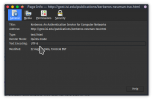
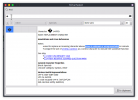
… the right option would have been to retain the menu …
ISO-8859-1, ISO-8859-15, or Windows-1252. The text is in English, and many HTML pages written in English were published in one of those three encodings prior to the ubiquity of UTF-8 from what I've experienced. On my system, Firefox's "Repair Text Encoding" happened to choose ISO-8859-2 instead, rendering © as Š in the Copyright line. That's why I feel the menu should have been kept—in case Firefox guesses incorrectly. On the other hand, if it works for 95% of pages, and newer pages/servers declare the character encoding, then I could see why the menu might have been removed, so perhaps those pages with no character encoding should simply be considered incompatible with the modern web. After all, there ain't no such thing as plain text.Which encoding would you have chosen for <http://gost.isi.edu/publications/kerberos-neuman-tso.html>?
ISO-8859-1, ISO-8859-15, or Windows-1252.
% pkg info -x falkon ; uname -aKU ; freebsd-version -kru
falkon-3.1.0_1
FreeBSD mowa219-gjp4-8570p-freebsd 14.0-CURRENT FreeBSD 14.0-CURRENT #109 main-n249408-ff33e5c83fa: Thu Sep 16 01:11:04  2021     root@mowa219-gjp4-8570p-freebsd:/usr/obj/usr/src/amd64.amd64/sys/GENERIC-NODEBUG  amd64 1400033 1400033
14.0-CURRENT
14.0-CURRENT
14.0-CURRENT
%I deleted the closing bracket for the title of the index.html page on my site, then opened it as a file in Firefox-ESR and clicked the "View Page Source" option.Well, that's certainly interesting. Neither the server nor the HTML declares a character encoding for the document, so nobody can blame Firefox incorrectly guessing it's ISO-8859-2 when you "Repair Text Encoding". In my opinion, the right option would have been to retain the menu and add the new menu item for old pages like this.
… Try to get the right encoding of: …
… is an extension feasible? …
Thanks.I sent an e-mail to the developer of the extension for Thunderbird.
I just tried Falkon and Otter Browser, and changing the character encoding does not affect the rendering for me on any web pages I've tried. While they both appear to refresh the page view, the page info still shows UTF-8 or unknown while the encoding menu indicates the character encoding I selected is active.Incidentally:
– off-topic from Firefox, none of those have the required effect, for the given page, in Falkon.ISO-8859-1, ISO-8859-15, or Windows-1252.
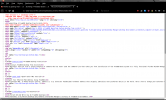
= key to view page info where the character encoding of the page can be changed).In SGML definitions of HTML (anything before XHTML 1.0 and "ISO HTML"), that would be an error as well, so I'm not sure what your point is here. Are you suggesting that invalid markup is the cause of the character encoding trouble being discussed in this thread?I deleted the closing bracket for the title of the index.html page on my site, then opened it as a file in Firefox-ESR and clicked the "View Page Source" option.
It highlights the beginning of the error in red and the metatag underneath the error is highlighted in red. Encoding is charset=utf-8 and it's valid XHTML 1.0 Transitional:
<title>Your title here</><meta ...> and it would still be valid HTML, but most HTML parsers would have trouble with that and such usage is discouraged by the W3C and the W3C HTML validator anyway. The shortest valid HTML 4.01 Strict document (if you ignore the lack of a doctype) is <title//<p>. For more information about these SGML features that few browsers (if any) have implemented, SGML - Markup minimization (Wikipedia) and Understanding HTML and SGML (W3C) are two useful resources. I am glad XML, and consequently XHTML, simplified things significantly with crazy features like those!It is not possible to repair anything, it is only heuristics. At best they should bring back the menu.not properly repaired by the repair feature
Sometimes, they just hide the menu under some cute-looking button. ? Happens during nearly every update, and I have to play hide-and-seek all over again.It is not possible to repair anything, it is only heuristics. At best they should bring back the menu.
Let me try to explain it so you can understand, memreflect.In SGML definitions of HTML (anything before XHTML 1.0 and "ISO HTML"), that would be an error as well, so I'm not sure what your point is here.
I know if you use the right-click option to "View Page Source" in Firefox-ESR it will highlight in red XHTML errors I've made the W3C validator points out that I can't readily see by glancing over the page of markup.
Which was an erroneous statement on your part. It does make a declaration of character encoding of "utf-8' in the xml version declaration preceding the DocType and in the metatag shown in my "View Page Source" screenshot.Well, that's certainly interesting. Neither the server nor the HTML declares a character encoding for the document, so nobody can blame Firefox incorrectly guessing it's ISO-8859-2 when you "Repair Text Encoding". In my opinion, the right option would have been to retain the menu and add the new menu item for old pages like this.
<?xml version='1.1' encoding='utf-8'?>
<meta http-equiv="content-type" content="application/xhtml+xml; charset=utf-8" />I purposely deleted the closing bracket of the Title of my index.html page, loaded it in Firefox-ESR as a file and took a screen shot to document the claim I made of the ability of Firefox-ESR to "highlight in red XHTML errors".Are you suggesting that invalid markup is the cause of the character encoding trouble being discussed in this thread?
It would not be valid XHTML (and if it's not valid XHTML it's not considered to be XHTML at all), the validation abilities of which was my addition to the thread topic of how Firefox is getting more intelligent (than us).You could shorten things to<title>Your title here</><meta ...>and it would still be valid HTML, but most HTML parsers would have trouble with that and such usage is discouraged by the W3C and the W3C HTML validator anyway. The shortest valid HTML 4.01 Strict document (if you ignore the lack of a doctype) is<title//<p>.
For a more information in the differences in XHTML Versus HTML.For more information about these SGML features that few browsers (if any) have implemented, SGML - Markup minimization (Wikipedia) and Understanding HTML and SGML (W3C) are two useful resources. I am glad XML, and consequently XHTML, simplified things significantly with crazy features like those!


