RISC-V vs. binary blobs

The appeal to me of some of the RISC-V boards out there is that some include an FPGA. The board either includes a RISC-V processor and FPGA or the board includes a very large FPGA - a portion of which implements a RISC-V processor. I've seen one homebrew implementation of a GPU also on a generic FPGA.

This might be a way to escape the binary blobs that seem to follow around SoC designs.
 
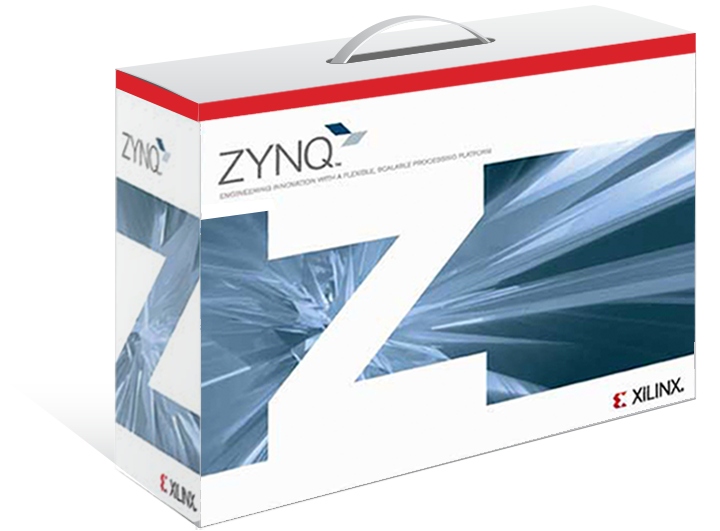
You are aware there are also ARM SoCs that have an FPGA? Intel/Altera's Cyclone and AMD/Xylinx's Zynq for example.


I've seen one homebrew implementation of a GPU also on a generic FPGA.
You can breadboard a VGA controller.
View: https://www.youtube.com/watch?v=l7rce6IQDWs
 
For boards with ARM proc plus FPGA - fair point. But an ARM license is - I think - required for an FPGA implementation. I suspect a RISC-V design would take fewer gates leaving more room for other fun. SirDice Do the examples you gave require binary blobs?
 
A binary blob to help display a picture of salsa sauce on your lcd display or even crt tube ... *scnr* ??‍♂️
 
But an ARM license is - I think - required for an FPGA implementation.
If you want to develop your own ARM CPU, sure. In this respect RISC-V is "free", that's to say, the ISA is free and you can create your own implementation.

I suspect a RISC-V design would take fewer gates leaving more room for other fun.
Depends. If you implement the entire thing, including various extensions, probably not. Also remember ARM has been designing and improving its implementation for a couple of decades now, RISC-V implementations are still very new.
 
Code:
    Price: $3,234.00
    Part Number: EK-Z7-ZC706-G
    Device Support:
        Zynq-7000
:(
Those are super expensive indeed. This one is much more affordable: https://digilent.com/shop/zybo-z7-zynq-7000-arm-fpga-soc-development-board/

They've become somewhat rare nowadays, but I'm looking for a DE-10 Nano development board: https://www.terasic.com.tw/cgi-bin/page/archive.pl?Language=English&CategoryNo=205&No=1046#contents

Those DE10 Nano boards are used as the basis for MiSTer: https://mister-devel.github.io/MkDocs_MiSTer/
 
The biggest problem with any FPGA project is that most of the software you need is predominantly Windows based. As far as I know only the ICE40 range of FPGAs have an open source tool chain.
 
SirDice Yes. I'm looking at some tools now - all Windows based. They have free and paid versions. You'd think the vendors would want to encourage designing for the newer chips but they tax you for making that choice.
 
You are aware there are also ARM SoCs that have an FPGA? Intel/Altera's Cyclone and AMD/Xylinx's Zynq for example.
Major flash-back moments here. I spend so much time working with those Cyclone-V chips... that was awesome!

As far as I know only the ICE40 range of FPGAs have an open source tool chain.
EPC5 support has gotten really good and MachXO2 / MachXO3 seems to be happening too.
That being said, none of my professional FPGA work is currently relying on open-source tooling. But from what I can tell it seems to be more than good enough for your average DIY user that is just dicking around.
 
Back
Top